Onions are more than just a flavor booster — they’re loaded with antioxidants and compounds
that support heart health, immunity, and overall well-being. A must-have in every kitchen.
Onion Overview
1. Onions are root vegetables in the allium family, closely related to garlic and leeks.
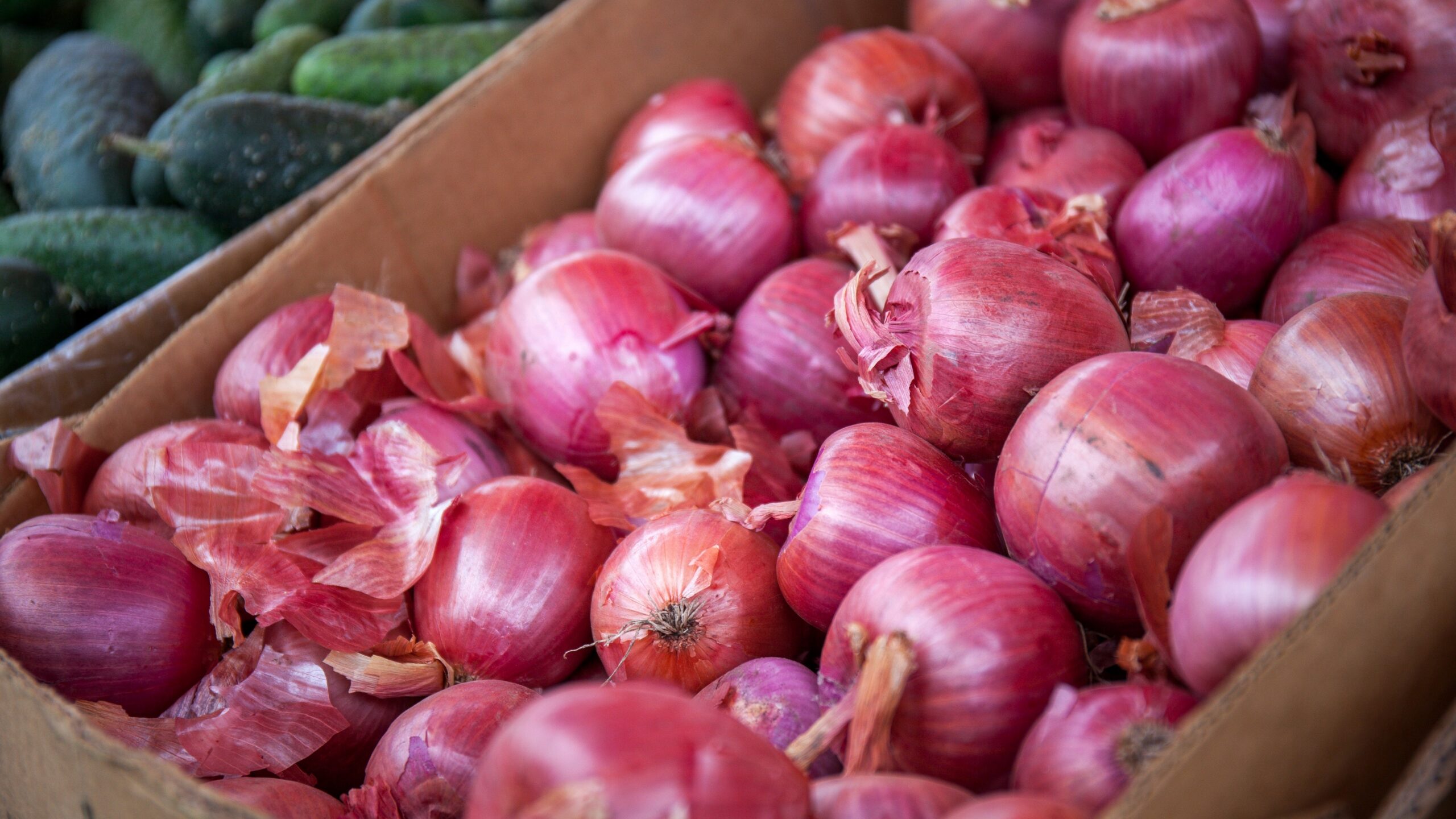
2. They come in various types — red, white, and yellow — each with a unique flavor.
3. Onions are rich in sulfur compounds that contribute to their strong smell and health benefits.
4. Used globally in countless savory dishes as a base flavoring agent.
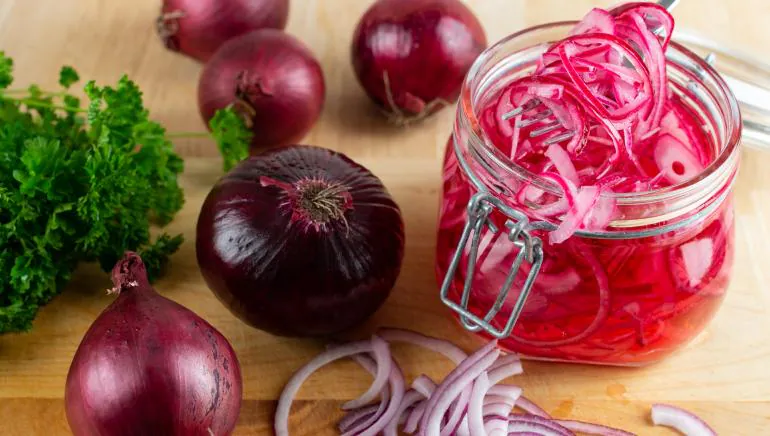
5. Can be eaten raw, cooked, caramelized, or pickled.
Storage Requirements for Long Period
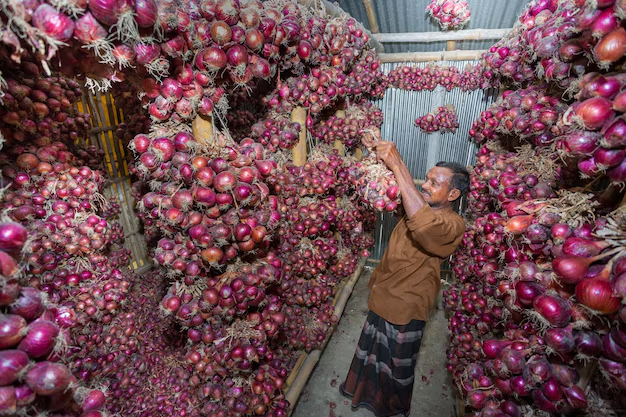
Store whole onions in a cool, dry, and well-ventilated space.
Avoid storing onions near potatoes as they release moisture and gases that spoil each other.
Refrigerate chopped or sliced onions in a sealed container (use within 7–10 days).
Do not store unpeeled onions in plastic bags — use mesh or paper bags instead.
Dehydrate onions or make onion powder to extend shelf life.
Health Benefits of Onion
Boosts immunity and has natural antibacterial properties.
Helps reduce inflammation and supports heart health.
Lowers blood sugar levels naturally.
Rich in antioxidants that combat free radicals.
Improves bone density and supports gut health.
How to Use Onion Daily
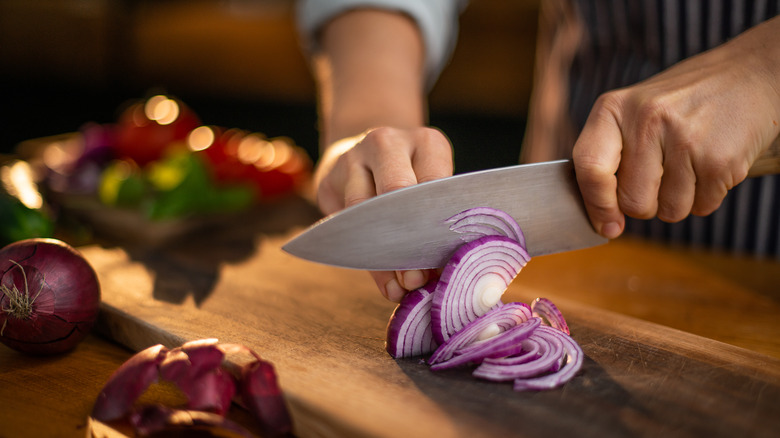
Sauté chopped onions as a base for soups, sauces, and stir-fries.
Use raw onions in salads, burgers, or sandwiches.
Roast or grill onions as a delicious side dish.
Make caramelized onions for pasta, pizza, or meat dishes.
Pickle onions for a tangy addition to tacos and wraps.